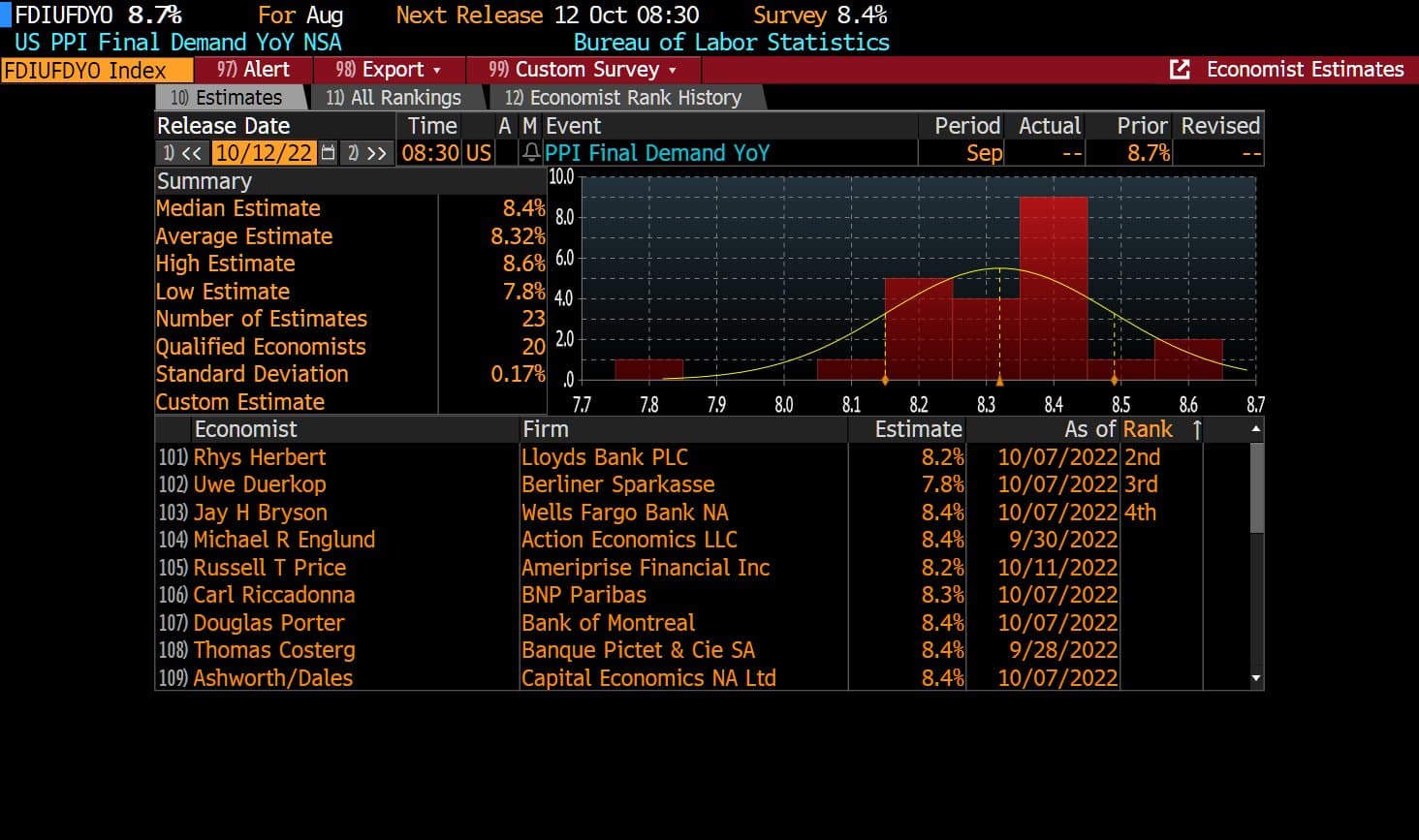
There’s chatter about an emergency fed meeting on Monday. Looking at the link of past similar meetings, they all say the same thing… Federal Reserve Board - Board Meetings

So… nothingburger?
There’s chatter about an emergency fed meeting on Monday. Looking at the link of past similar meetings, they all say the same thing… Federal Reserve Board - Board Meetings
So… nothingburger?
Given the current global situation I think it’s fair we assume it’s nothing but also take it as a potential warning to evaluate our positions on Monday. A fed pivot or sudden acceleration seems very unlikely and unwise at this time so I can’t imagine anything beyond the status quo. But I’ve also been wrong before.
Cautionary tale for the week:
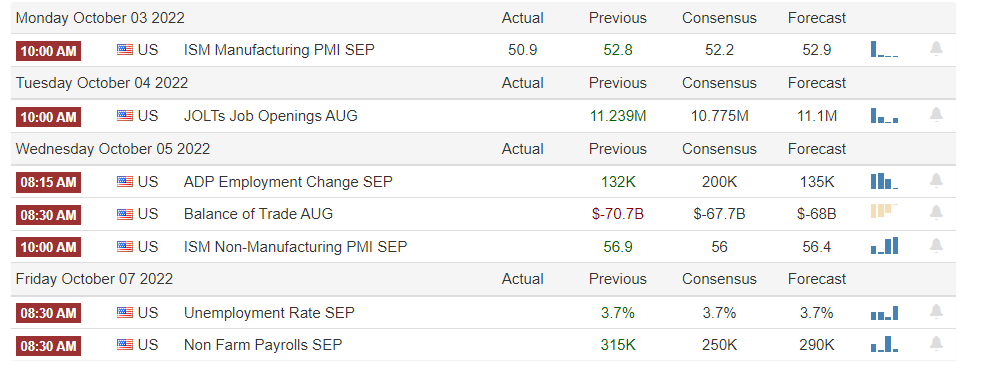
Today we saw Manufacturing PMI come in lower than forecast which elicited an uptrend day in the markets. This week we may see more of the same. If you are a believer in the bear market thesis and believe that the fed is going to drive some bad numbers going forward, I implore you to consider that each of these numbers may elicit further bullish responses from the market.
As it stands I wouldn’t be wholly surprised if we close this week green. This may be a great opportunity to average down or make money on some of the upside to strengthen your downward positions.
For what it’s worth, I’m currently down 15% on my March puts and am looking at this week as an opportunity to get a better dollar cost average on the play.
Two potentially material data points from today.
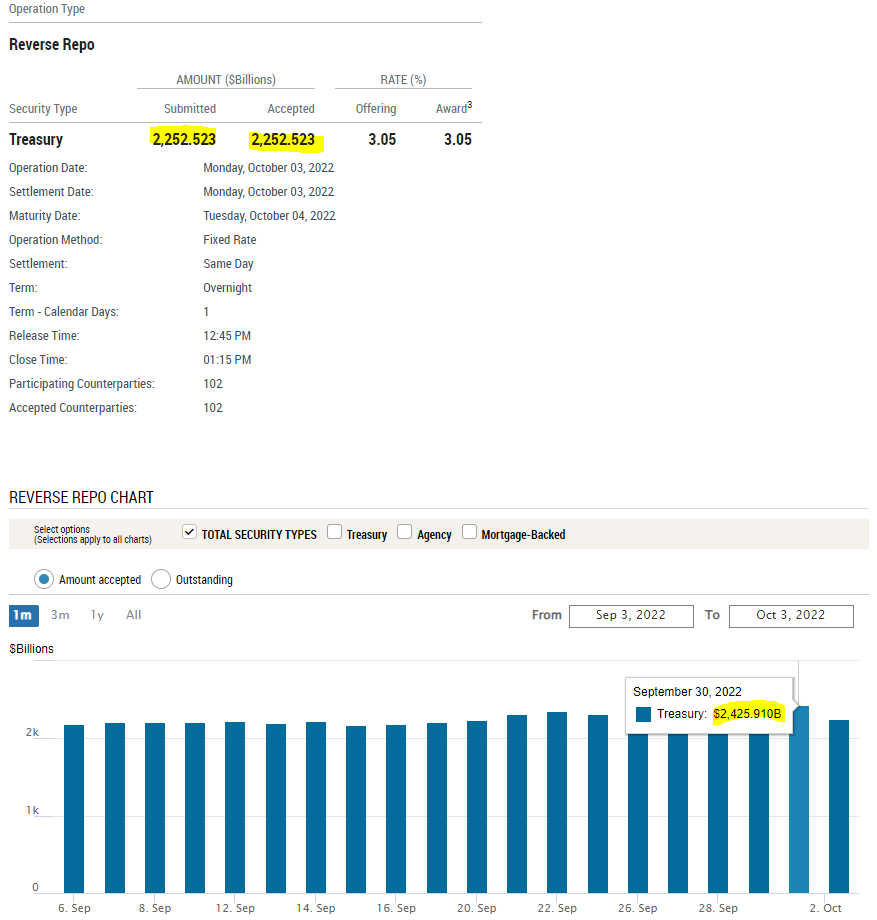
First, reverse repo take-up was down 200B, from 2.4T on Friday to 2.2T today. This is a significant amount of liquidity that has returned to the markets. Not necessarily into stocks, because the mechanism is a bit more involved, but it can end up affecting demand for all kinds of financial assets. Thus, yet another bullish catalyst. Of course, it could reverse course just as quickly, but 200B is significant.
Second, the UN has criticized the raising of rates by the Fed:
A United Nations agency warned on Monday of the risk of a monetary policy-induced global recession that would have especially serious consequences for developing countries and called for a new strategy.
“Excessive monetary tightening could usher in a period of stagnation and economic instability” for some countries, the United Nations Conference on Trade and Development (UNCTAD) said in a statement released alongside its annual report.
“Any belief that they (central banks) will be able to bring down prices by relying on higher interest rates without generating a recession is, the report suggests, an imprudent gamble,” it said.
The report said that higher interest rates, including hikes by the U.S. Federal Reserve, would have a more severe impact on emerging economies, which already have high levels of private and public debt. The report, entitled “Development prospects in a fractured world”, also warned of a potential debt crisis in the developing world.
It is easy to dismiss this as “they don’t get to tell us what we do,” but the reality is we enjoy extraordinary privilege because of the USD, which has shielded us from the worst of inflation in many ways. Inflation in other economies, especially emerging markets, is multiples of what we have. Established setups tend to break when things gets intolerable.
With rates expected to go higher, and the USD along with that, it is not unreasonable to think that the rest of the world (sick Europe doesn’t count because they are kinda stuck) will band together to come up with alternative solutions. China and Japan have both been making noises unilaterally, and we know India operates rather neutrally, putting its people first. I would not be surprised if they decide to take specific steps when the next set of rate hikes hit and the USD goes up some more.
It doesn’t mean what they do will be efficient or even helpful, as none of the BRICs are natural allies and have their own conflicting interests, but it does mean the USD will take an arrow to the knee over the medium to long term. Not something imminent though, but let’s keep an eye on this.
Another reminder from your temporary market calendar. Tomorrow is ADP employment change in the premarket. The market is currently expecting the number to come in higher than last month, with forecast set at 200k. Given our job openings numbers today there are two possible realities we could live in:
At this point I’m leaning towards bullet 2, as the JOLTS numbers indicate job quits were unchanged at 2.7%. At this time I personally believe that this bullish rally can be sustained through tomorrow, however I would caution everyone the same thing we’ve been touting on TF all day: take profits, don’t get complacent.
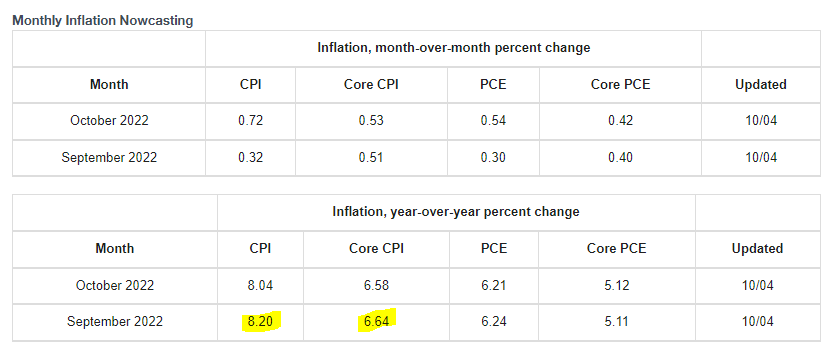
Latest Cleveland Fed inflation projections 8.2% CPI and 6.6% core CPI, vs forecasts of 8.1% and 6.5% respectively. They have come under only once in the recent past, though that was just last month. So this needs to be taken with a grain of salt. Still, seems like some models are suggesting a hotter inflation print. (CPI is reported next Thu.)
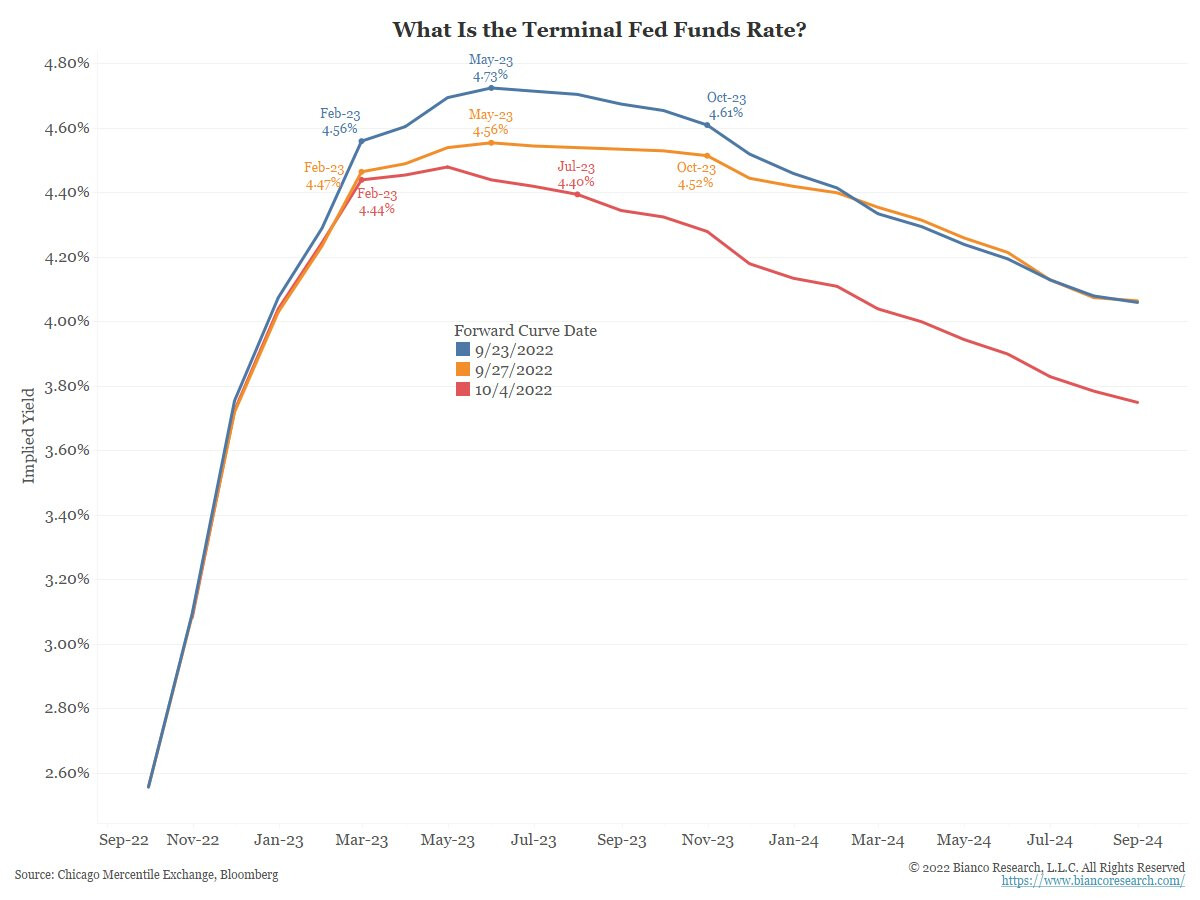
JOLTs came in lower than expected, and it looks like bond market is pricing in a pivot already, with a terminal rate 30bps lower than just 2 weeks ago.
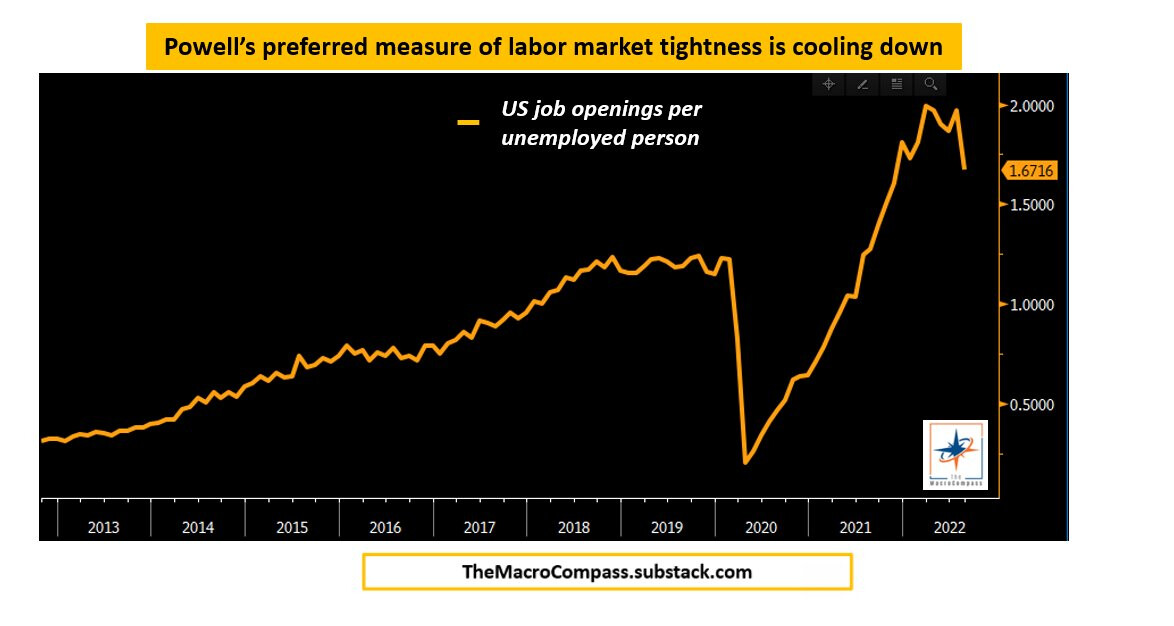
The job openings per unemployed individual has dropped a bit, from the landmark 2.0 to 1.67, but still a long way to go.
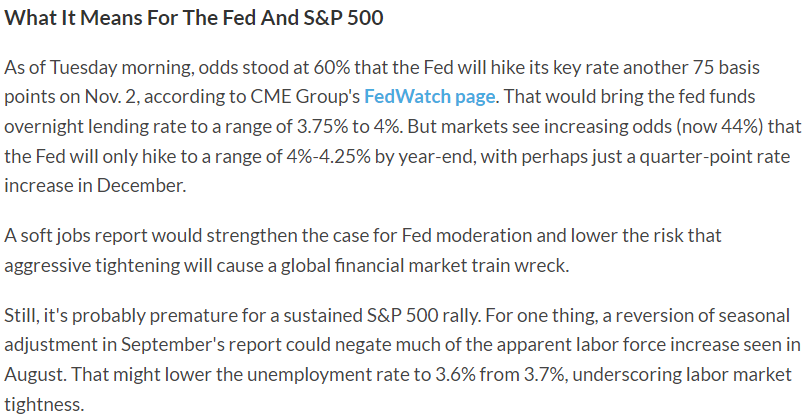
Found this article indicating a weak jobs report. Seems to indicate a short term bullish and long term bearish sentiment. Conq mentioned the same thing this morning.
Friday’s Weak Jobs Report May Slow Fed, Lift S&P 500 (investors.com)
[size=4]A Valhalla Fanfic of Where We Are and Where We’re Probably Going[/size]
Another novel brought to you by your now laid-off market calendar.
As my original thoughts started to come together (which is the marriage of my own opinions and the collective opinions of the Stagflation thread championed by @TheHouse), I’m now seeing a trend in prior recessionary patterns. History likes to repeat itself, not with exact numbers but with patterns and reactions. Here’s what we know from this week so far:
This points to the single narrative that Fed Policy is working, which means Fed Policy doesn’t have to remain in place for too long. Bulls rejoice!
[size=3]Why Are We Rallying?[/size]
For those that believe in the Stagflation theory (which for the love of all that is good, if you have not read this thread please read it all), what we are experiencing now is exactly what we should be expecting. The Maverick of Wall Street, a great channel that was brought up on Trading Floor, does a really good job in his most recent video speaking of “recession optimism”. I believe this is our current state. Here’s a link to his most current video for those who haven’t had a chance to enjoy any of it:
Given that the market downturn is largely attributed to the Fed actions, it’s only natural to understand that the macroeconomic KPIs that affected those numbers will eventually also be affected by the Fed actions and the world will scream optimism and Fed Pivot. In a previous deep dive into the HOPE aggregate, I said that the leading indicator of a market crash is Consumer Sentiment. Sentiment has been down largely since COVID, but we haven’t seen it plummet yet and I’m still waiting for this number (preliminary comes out next week, and I will be watching closely). Until I see a drop in consumer sentiment, though, I will expect that the market will continue to react optimistically to waning macroeconomic indicators until they have a reason to not react optimistically. Which brings me to my final leg of this write up.
[size=3]Where Are We Going from Here?[/size]
At this time I still have no reason to believe that this rally will end abruptly tomorrow (note that last time I wrote something like this Apple declared war on itself so maybe some terrible shit will drop as soon as I push ‘post’). I believe that we currently have tailwinds pushing the market up, and those tailwinds are taking the form of recession optimism. As such, I believe the following represents the path we’re going to be on for at least the next week:
Then there are two paths that decide what happens next:
If the latter, my eyes are glued to the preliminary consumer sentiment numbers dropping on Friday. If we see a sharp decline alongside bullish markets, the end is near. If sentiment is on the rise, then we may be in this chop for a little while longer with a bias towards the upside. At that point it’s month to month for me, unless earnings guidance this month is down significantly.
[size=3]That Sounds Like Some Wishy-Washy Bullshit, Sucky[/size]
Regardless of the outcome on the above, the next step seems crystal clear: The damage has been done. Whether the next leg down starts next week or it starts the week after as companies start reporting earnings and providing forward guidance, it seems inevitable that the leg down is coming and is in the near future. This will present itself in either the earnings themselves or the forward guidance though. To quote a wise man, @Machetephil:
Fedex will not be the only company to provide bad forward guidance.
Remember that the market is an aggregate of the companies that are a part of it, so as long as those companies are not performing well the markets will leg down. The question now is when, and for me personally all eyes are on next Wednesday at the soonest, next Friday as the intermediary, and the earnings on the week of 10/17 at the latest. I believe that earnings the week after next will begin the bad earnings domino effect.
The jobs numbers that were posted this morning prove that companies are paring back. With job openings down but hiring up, this means that companies are filling roles but not expanding. This means that job quits/terminations will transition to attrition in the near future (we lost someone and don’t intend to replace them - the living will envy the dead as the living’s workload doubles), and as things get worse it will transition to layoffs.
[size=3]Gimme That TL;DR[/size]
I see us going to 4000 before we go back to 3600 in my opinion, but I hate price targets and I think they’re stupid so take that as more of a directional hypothesis than a specific number. I think we have more upside than downside in the next week.
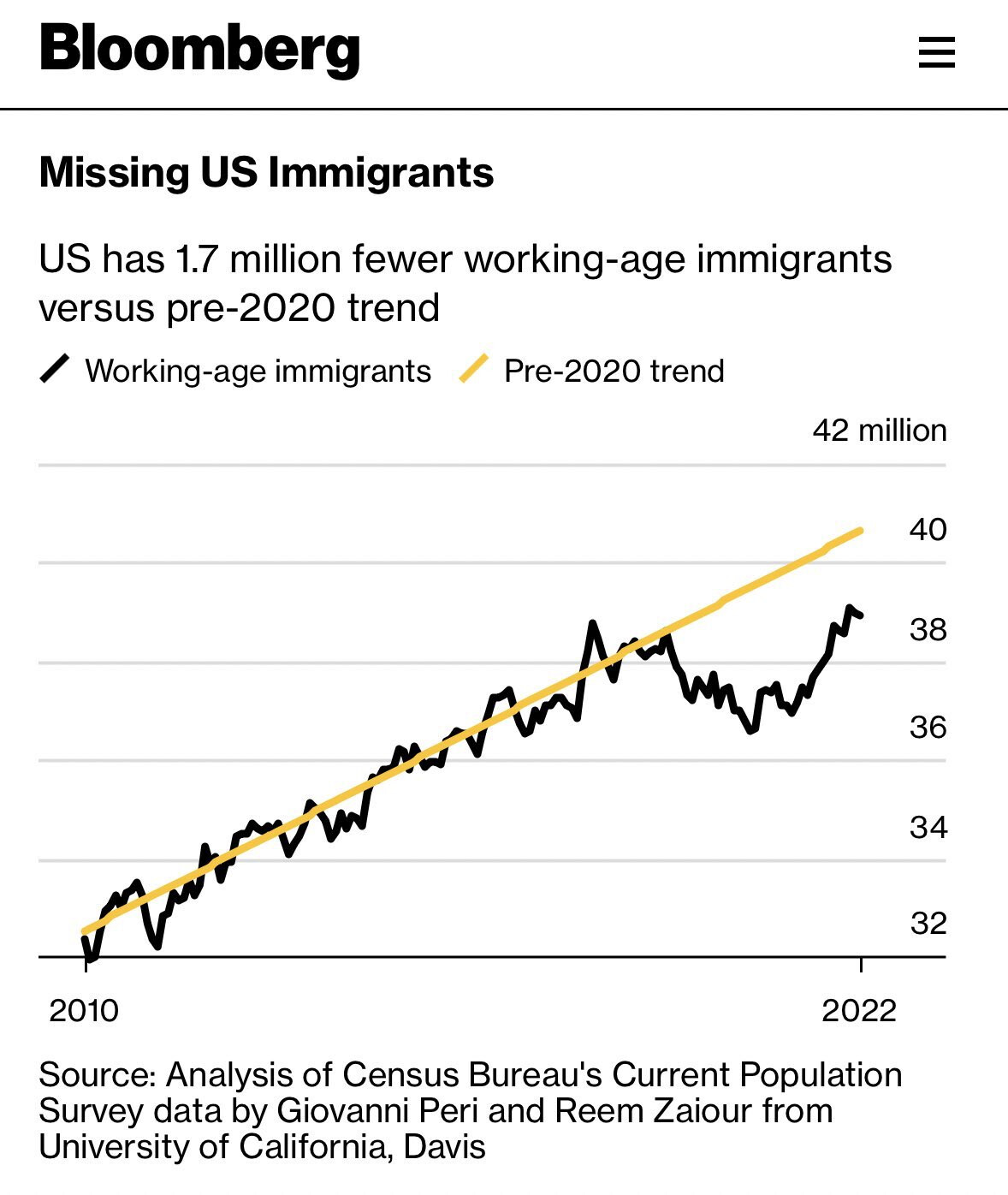
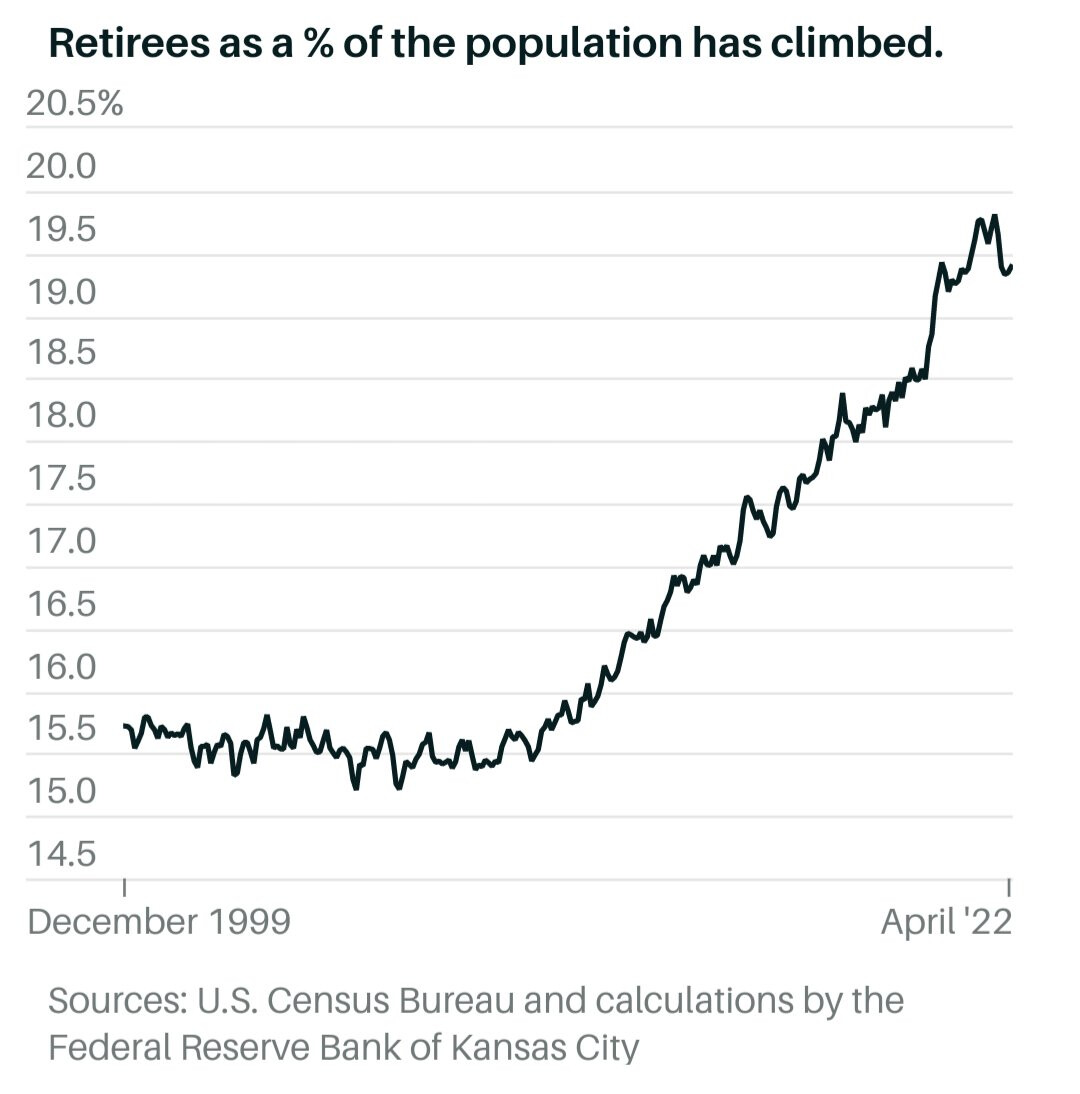
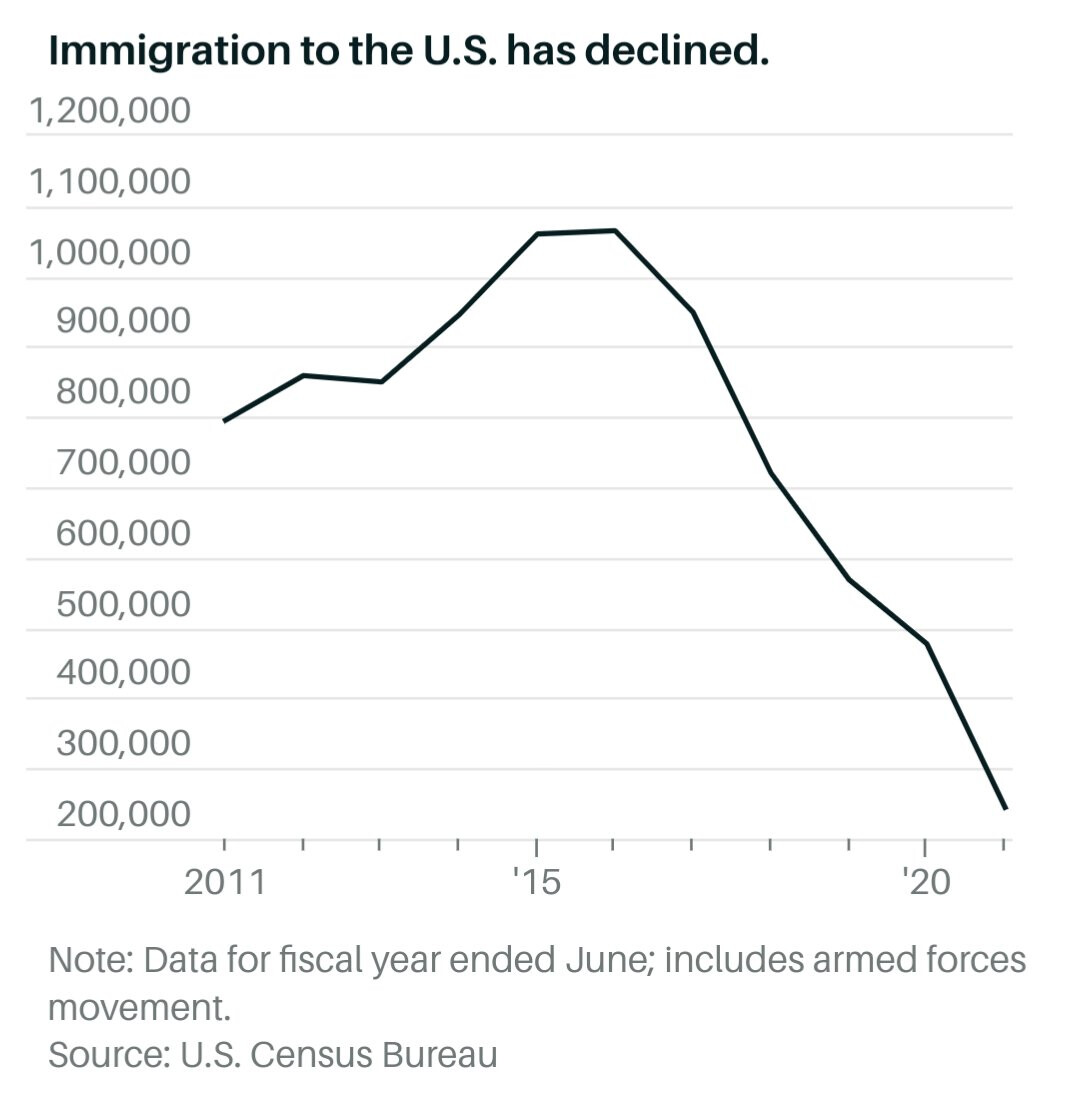
There isn’t a good solution to this situation, but this reduction in the number of economically productive immigrants is certainly contributing to a tighter labor market. Part of it is policy (Trump, then COVID), and part of it is folks have other options, and its a political third rail so no one will do anything about it. Longer term impact is unclear but can be significant. E.g. half of Silicon Valley’s CEO’s are first-general immigrants.
I bring this up to note that some of the challenges we have are so structural that we’re unlikely to really ever solve them.
Holy shit that is a wild statistic I hadn’t ever considered. When you hear immigration you tend to think of the undocumented kind, but I would assume these numbers also include (and probably largely represent) work visas? We depend on foreign workers for some of our highest skilled positions.
What’s Going On In The Bond Market?
I think we might try and start thinking about a bond thread. Just simply labelling it is “bond thread” would make the scope pretty unmanageable. But The_Ni, The House, hansolo, and many others have so much to contribute in this area.
Here’s an article I found fascinating about how the market for US treasuries has essentially dried up:
There are trillions of dollars worth of bonds for sale, they say, but a growing scarcity of buyers. If this trend persists, it could lead to credit problems and inhibit the US government’s ability to fund itself. That’s particularly concerning after America’s national debt climbed north of $31 trillion for the first time on Monday.
But that relief may be short-lived. The US Treasury — backed by the US government and considered the safest of bonds — is experiencing what JPMorgan analysts describe as a “structural absence of demand.”
JPMorgan strategists, led by Jay Barry and Srini Ramaswamy, write that the three main buyers of US government debt — the Federal Reserve, commercial banks and foreign governments — have significantly eased up on their purchases.
Using Federal Reserve data, they found that commercial banks’ collective holdings have fallen by $60 billion over the last six months compared to the same period last year, after growing by more than $700 billion between 2020 and 2021. Foreign governments’ official holdings have dropped $50 billion over the past six months. The Federal Reserve, meanwhile, has dropped its Treasury holdings by about $180 billion so far this year as a part of its monetary tightening program to fight inflation and cool the economy.
https://www.cnn.com/2022/10/05/investing/premarket-stocks-trading/index.html
No Pivot? Bond Traders Say Otherwise
It used to be that when stock markets rallied then bond markets would do poorly. But what we’ve seen in 2022 is both shitting the bed.
As The_Ni has pointed out, recent drops in the bond markets have shown a belief by bond traders that the Fed will have to pivot or foresake economic prosperity.
Many in the “Bear Camp” in Valhalla believe that that is an impossibility and the Fed has backed itself into a corner now - a very persuasive argument to me.
But for those that are adamant that a pivot is not possible, realize that that sentiment means the belief in that the Fed is now getting it right in terms of tackling inflation - the same Fed that has mishandled this whole mess from the beginning and stated inflation is transitory.
More importantly, Bond Traders don’t believe the Fed and they have been successful in handicapping the Fed’s next move. What this means that in relation to bond yields and stock market performance, yields have been ahead in assessing risk to the market than equity traders (historically but more importantly this past volatile year).
Somehow if we’re able to come to a better understanding of the operation of US treasuries in relation to stock markets I think it would help us better assess equity trades.
@SuckyMayor I wanted to move the discussion here.
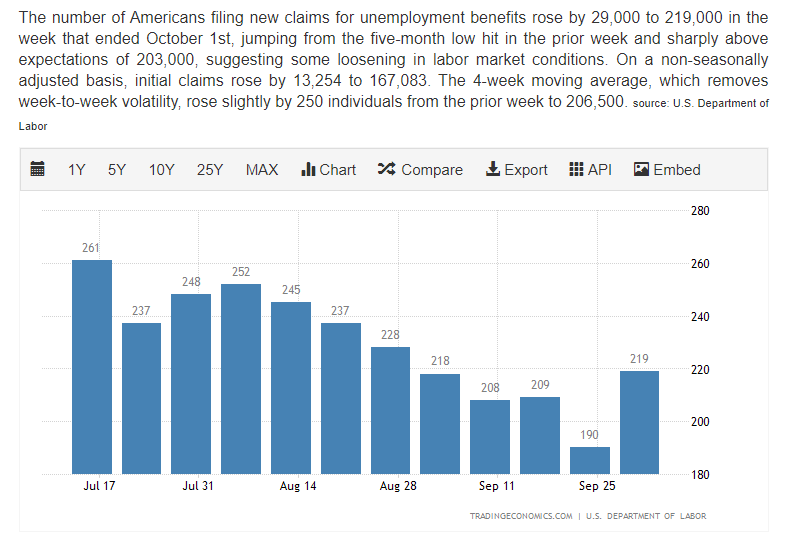
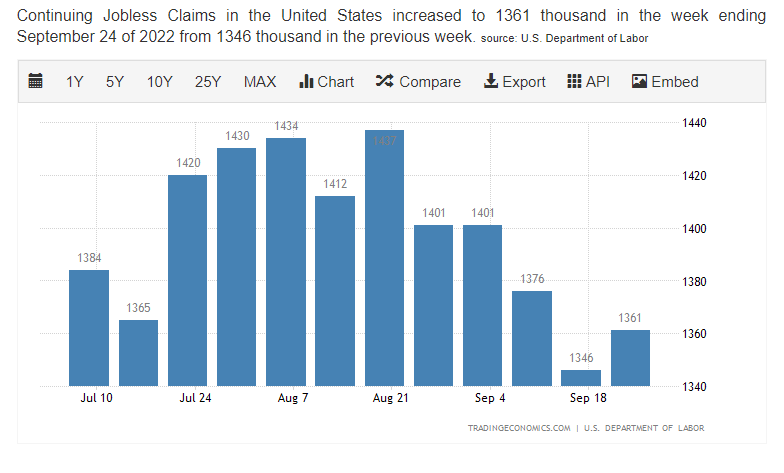
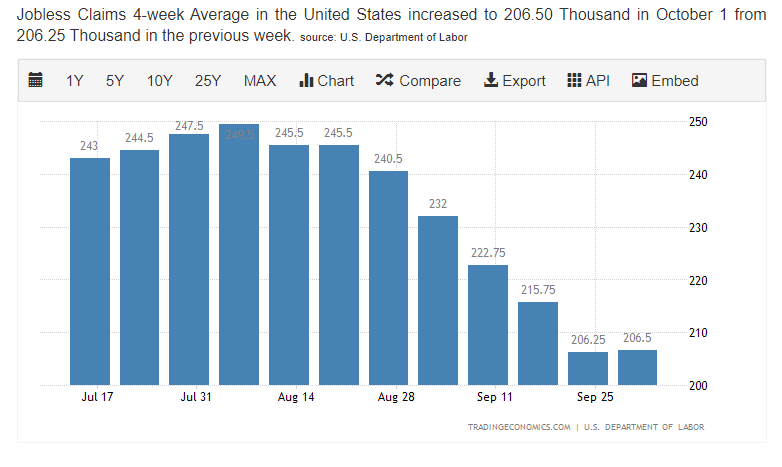
So jobless numbers came in higher than expected (bullish, though by how much remains to be seen).
Given the jobless numbers being like 10% higher than expected, is it sensible to forecast unemployment will also be higher than expected tomorrow morning?
Do they count the scam unemployment filings? The reason saying this, is that personally i have never applied for unemployment as a matter of fact, I don’t even know how to apply. Last week received a letter from DOL regarding my application for unemployment. Long story short did file a fraud claim with DOL, but my employer received a letter as well for my “application” and they’re like we figured it. We get them all the time for other employees too. So my point is that jobless claims might not correlate with unemployment? Any thoughts?
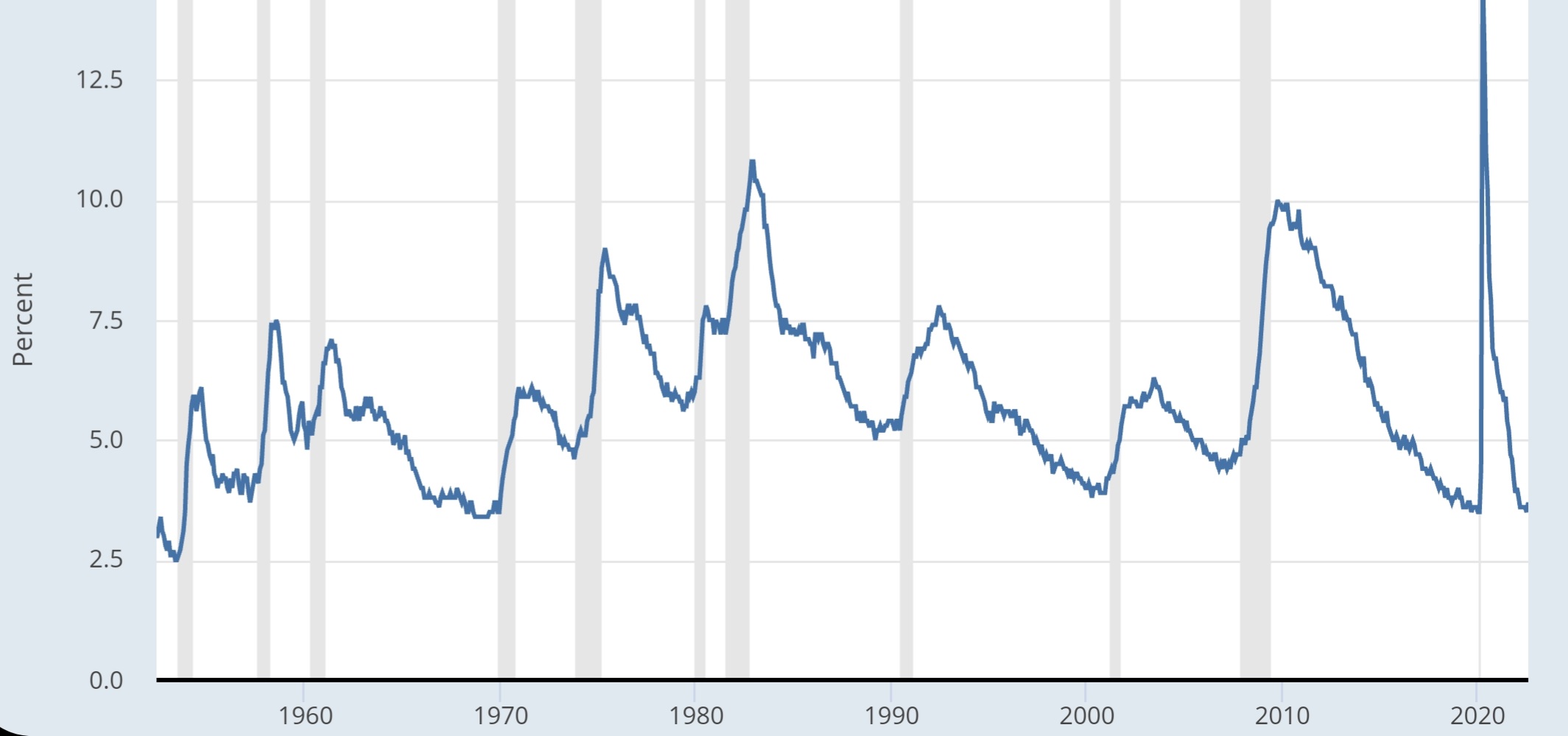
Just want to add a few charts that speak to unemployment. Going back to sentiment vs fundamentals. Macro usually has a wide view, lots of moving pieces over a longer time horizon. When we get data drops there is a short term sentiment reaction, anticipating this reaction can be challenging, but inspired by @TheMadBeaker post, if we “zoom out” macro regarding unemployment becomes clear.
Do we see any patterns in this chart? Gray columns are recessions.
Every single time unemployment starts moving up it is the start of a recession. These things move in longer duration cycles influenced by key drivers (highlighted in the stag thread). Probably the most correlated driver would be monetary policy.
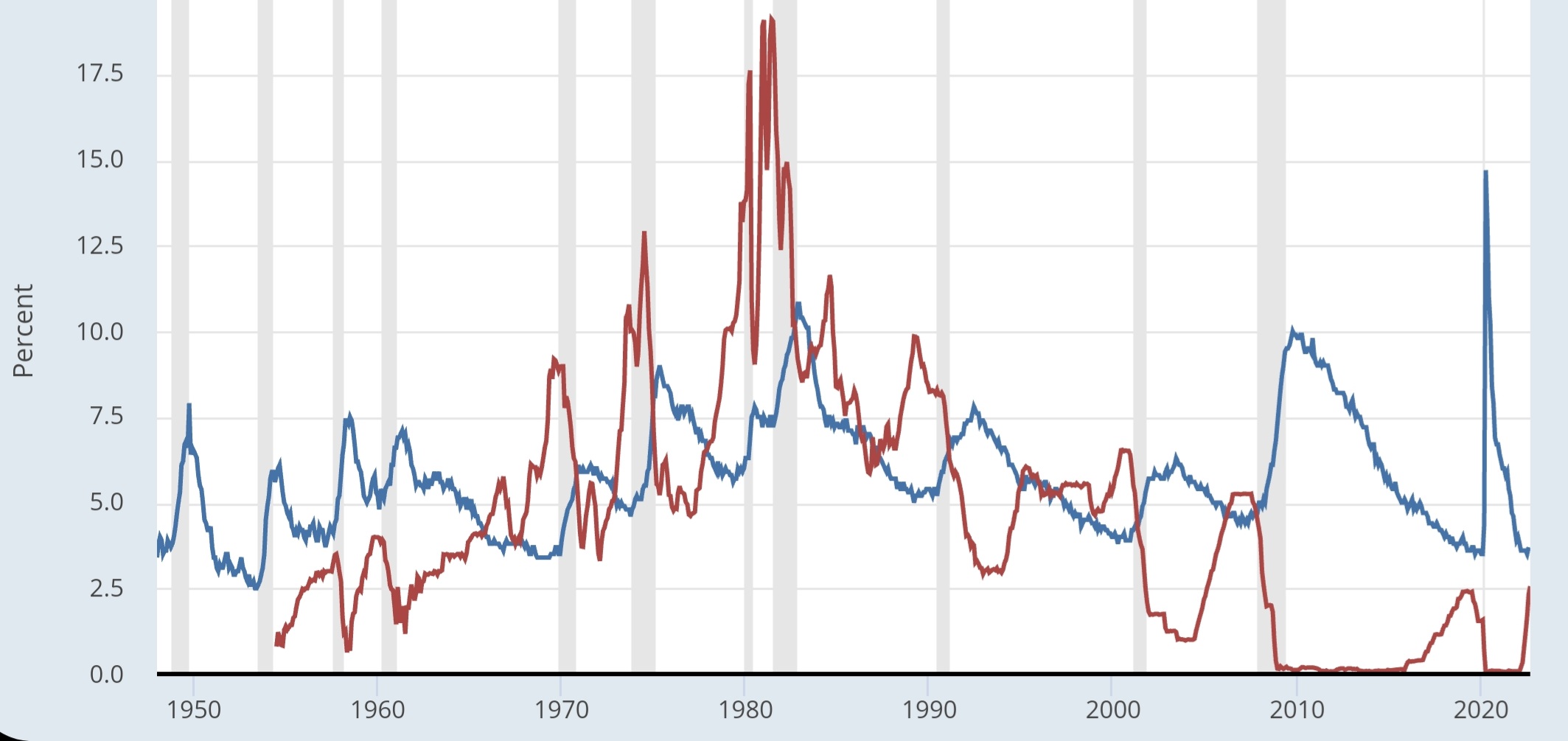
Here is unemployment paired with fed funds rate.
Another straight forward pattern. Nearly every time the fed cuts rates it is due to changes in the real economy that ultimately lead to a recession.
So why is this important?
I think it cuts through some of the noise around the fed. I went back and looked at CNBC’s site archives day by day for different times in history when the fed was on stage making monetary policy changes. The headlines are almost always the same, just like results.
So from this perspective, We should be looking at rising unemployment for what it really is, weakness in the economy. The problem is this labor is the most lagging indicator of the real economy. Historically the fed pivots fairly quickly when unemployment starts to rise, and for good reason, but the challenge today is we dont typically have inflation at this extremely elevated level.
So if we know the fed has to continue to tighten while unemployment rises, then what does that mean for equities? As Ive mentioned, unemployment is extremely lagging but should be seen as companies cutting back. Companies cut back when financials tell them to do so. We learn about financials through ER’s.
So this is all to say, sure play the sentiment volatility of data drops if its there, but the real macro strategy IMO is using it as a tool to guage earnings as earnings are going to continue to be the most significant aspect of pricing equities going forward.
These are the CPI estimates for tomorrow. My usual source hasn’t shared it yet, this is from Twitter, but looks legit. Both median and mean are 8.1%.
There is SO much downside built in that they’d probably have to hit 8.3% for market to have an additional bearish response.